
Start With AG Glass
Use AG when distinct reflected images and point-source glare interfere with reading. Confirm the display trade-off on physical samples.
- Haze and gloss
- Sparkle on the target pixel density
- Display gap and viewing distance
AG, AR and AF are often grouped together because all three change the user experience of a glass surface, but they solve different problems. AG redistributes reflected light, AR reduces specular reflection and AF lowers surface energy so oils and contamination release more easily.
ITO and TCO add an electrical function. They are specified through sheet resistance, transmission, film type, active area and electrode geometry. Treating these five routes as interchangeable produces incomplete RFQs and unreliable comparisons.
| Anti-Glare AG | Reflected-image diffusion, haze, gloss, sparkle and display clarity |
|---|---|
| Anti-Reflective AR | Reflectance spectrum, transmission, residual color and angle of incidence |
| Anti-Fingerprint AF | Initial and retained contact angle, wipe effort, friction and cleaner resistance |
| ITO Conductive | Sheet resistance, transmission spectrum, pattern, busbar and coating uniformity |
| TCO Coated | Oxide type, conductivity, transmission, haze, thermal stability and fabrication route |
| Approval | Drawing, data sheet, measurement geometry and production-intent sample |
Reference ranges are used for discussion only. The quotation identifies the controlled values and inspection method.
Each page uses the acceptance metrics that buyers actually use for that surface function.
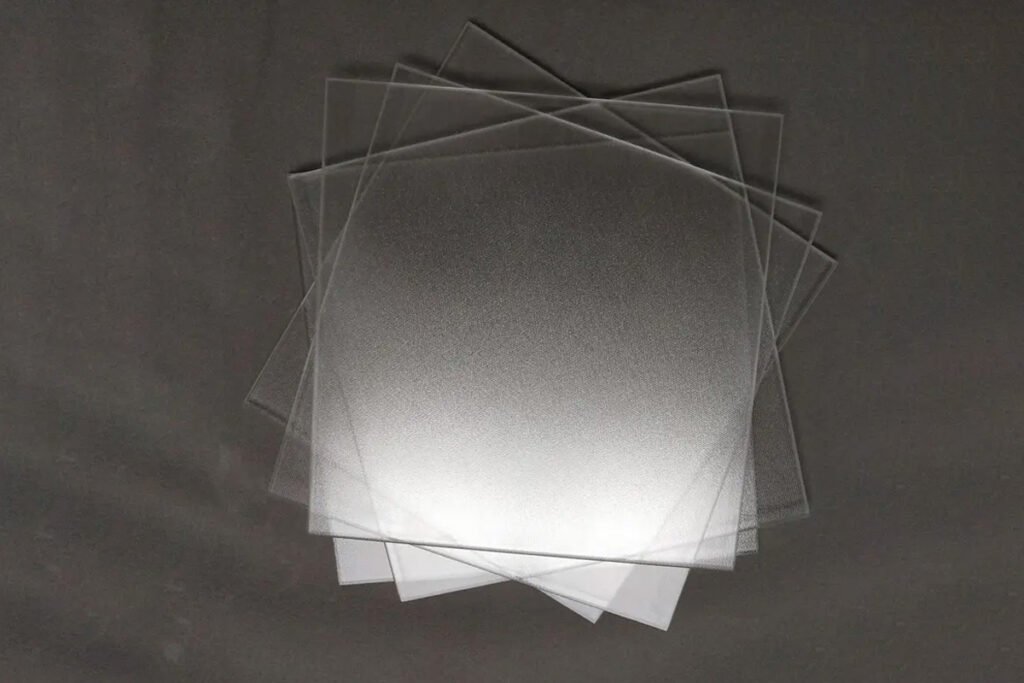
Matte microtexture selected through haze, gloss, sparkle and display readability.
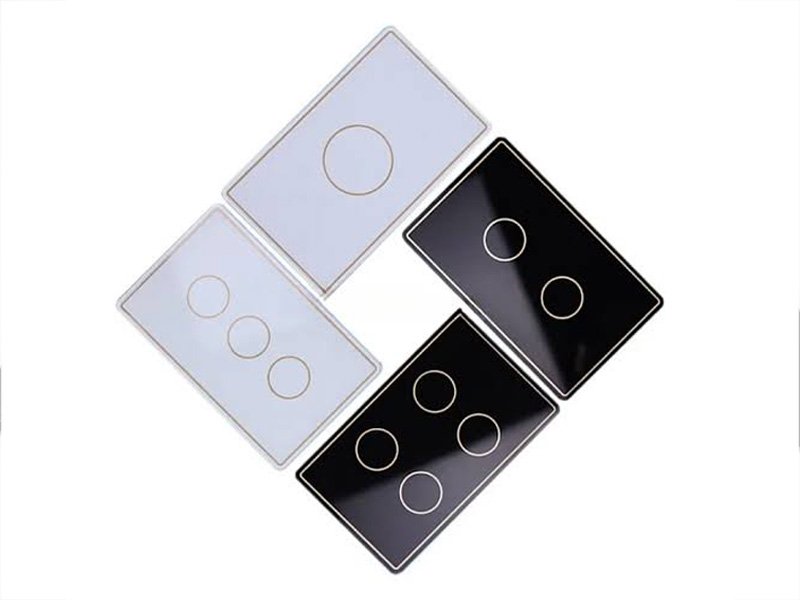
Thin-film optical coatings designed around wavelength, angle, color and durability.
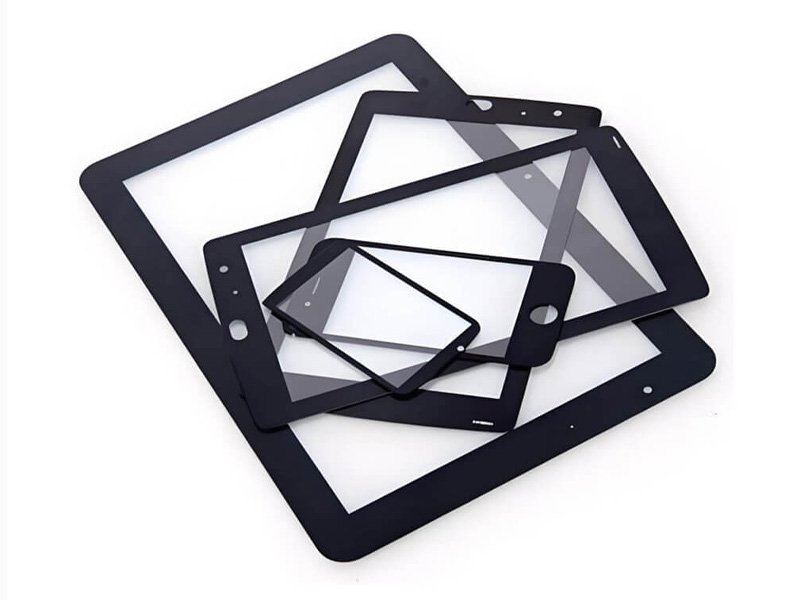
Oleophobic and hydrophobic top surfaces defined by retained cleanability.
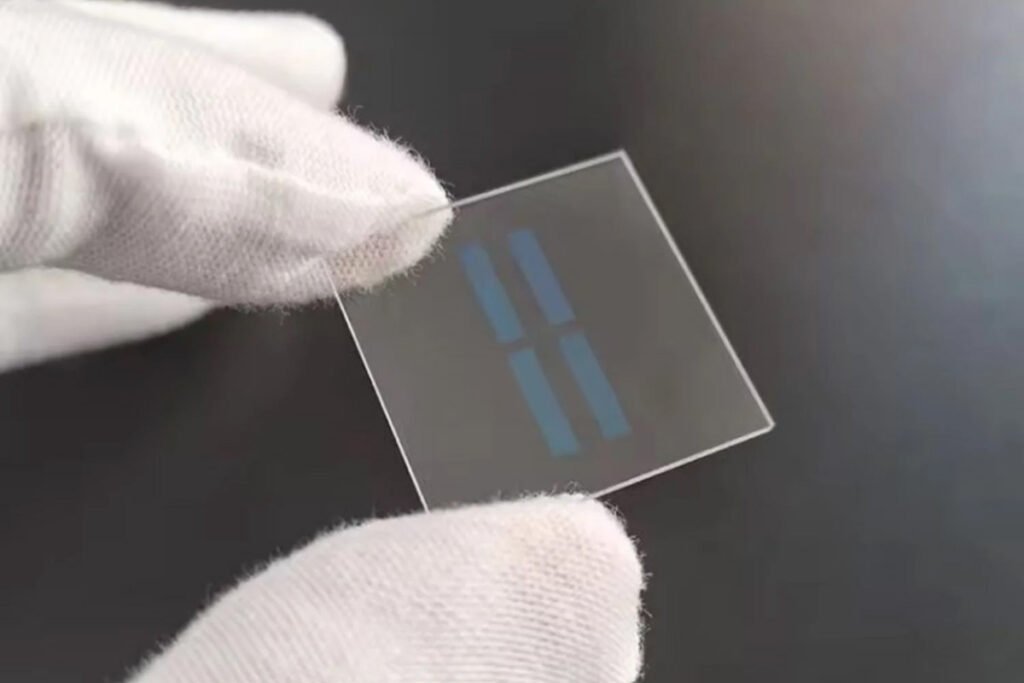
Sputtered conductive glass with specified sheet resistance and optical transmission.

ITO or FTO-family routes for heating, PV, shielding and active glazing.
Choose the primary failure or performance target. The result identifies the first specification to write.
Use AG when distinct reflected images and point-source glare interfere with reading. Confirm the display trade-off on physical samples.
Use AR when the goal is lower specular reflection and higher transmission within a defined spectral band.
Use AF when cleanability and touch feel matter. Specify both initial performance and the retained result after wear.
Use ITO when transparent conductivity, patterning and a controlled electrode geometry are central.
Use a TCO route when oxide type, heat stability, haze or large-area processing drives the design.
A finished interface may use an etched AG surface, an AR interference stack and an AF top layer, while printing sits on the opposite face. A transparent conductor introduces another functional plane. The sequence matters because a later process can change adhesion, optical response or electrical continuity. The RFQ should therefore show every surface in a cross-section and label which side faces the user, display, sensor or environment.
A general coating label is not enough for production. Each functional surface needs an orientation, measurable target and release method.
Lock substrate, coating side, optical or electrical target, test method and downstream process.
Complete cutting, CNC, edge work, cleaning and any compatible strengthening before the controlled coating step.
Apply the selected etch or coating route with orientation, masking and handling controls.
Measure the page-specific optical, surface or electrical characteristics and record uniformity.
Inspect controlled zones and protect the functional surface against contact and contamination.
Inspection conditions and acceptance limits are linked to the approved drawing and coating specification.
Resolve the dominant surface problem before comparing supplier numbers.
No. AG scatters reflected light so distinct images are less visible. AR reduces reflected energy through an optical thin-film design.
AF primarily changes cleanability and touch feel. It does not replace a specified AG or AR requirement.
Selected stacks can be combined, but process sequence, optical trade-offs, adhesion, touch and durability require sample validation.
ITO is one transparent conductive oxide. TCO is the broader family and can include ITO, FTO and other conductive oxide systems.
Include the functional target, measurement method, wavelength or geometry, initial and aged limits, coating side and production sample approval conditions.
Include: Part drawing and surface orientation | Application and viewing environment | Optical or electrical target | Substrate and thickness if fixed | Coating side and combined stack | Durability and cleaner exposure | Prototype and production quantity.
A useful request identifies the assembled product and the test result that determines acceptance. The review identifies the proposed substrate, coating route, measurement method, sample plan and open technical points.
Tell us the material, size, thickness, tolerance, quantity, application, and any holes, slots, edges, coating, printing, or polishing requirements. We can manufacture custom glass components from your drawing, CAD file, sketch, or sample.