
Holds Together When Broken
The interlayer keeps the broken pieces bonded in place, so the panel stays in its frame and keeps working as a barrier even after impact. This is the whole reason laminated glass counts as a safety glass.
Laminated and structural safety glass solutions using PVB, SGP, EVA, tempered laminated builds, security structures, railing glass, floors, canopies, and curtain wall applications.
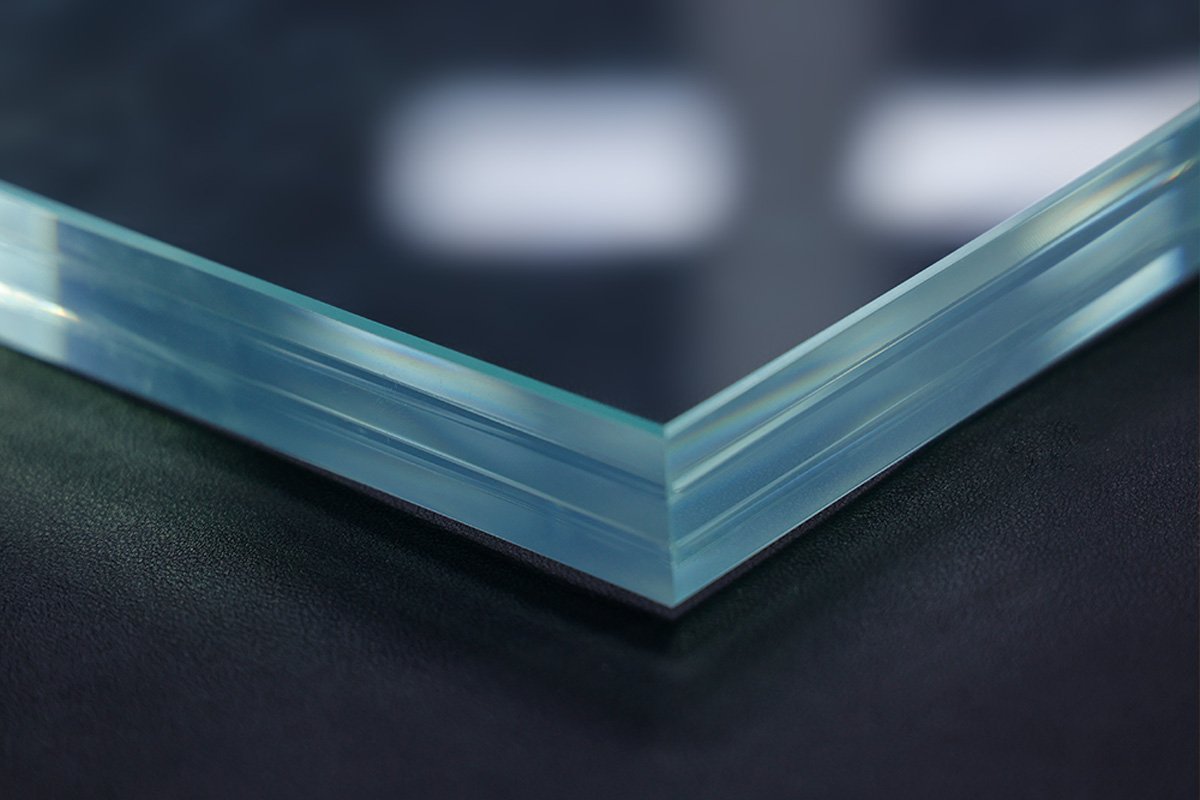
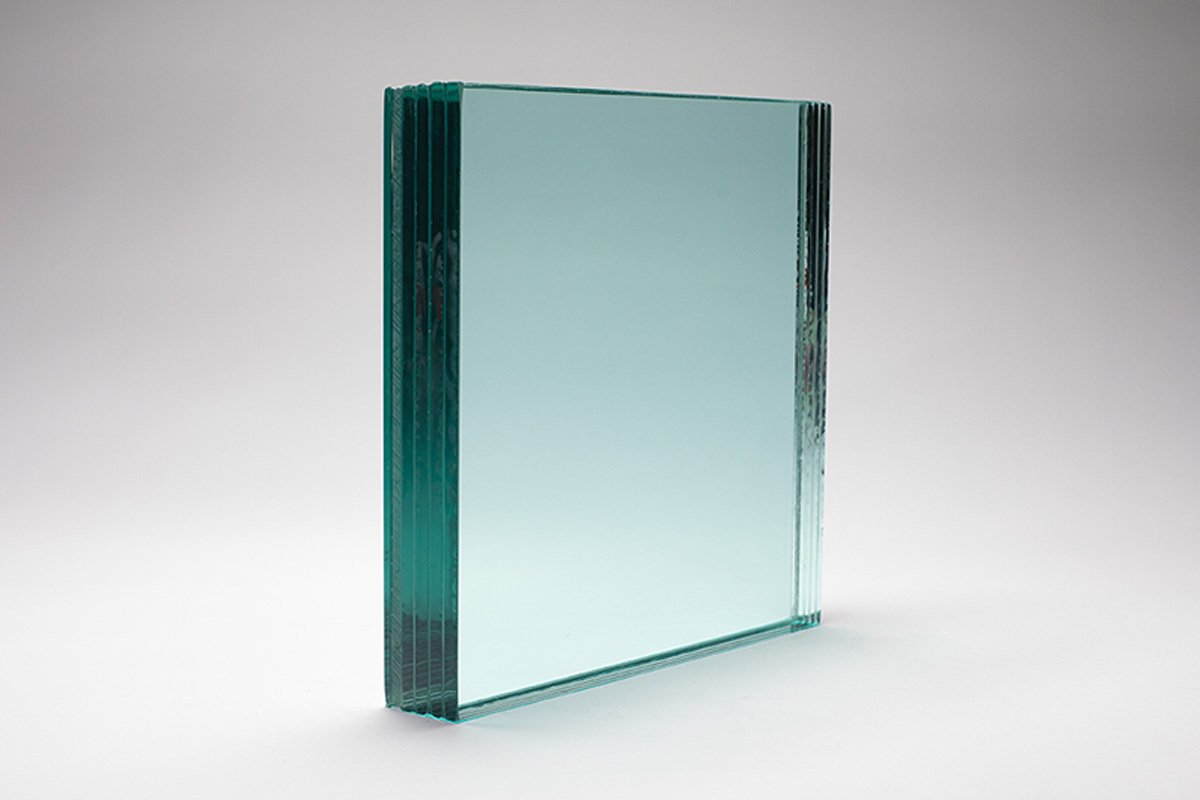
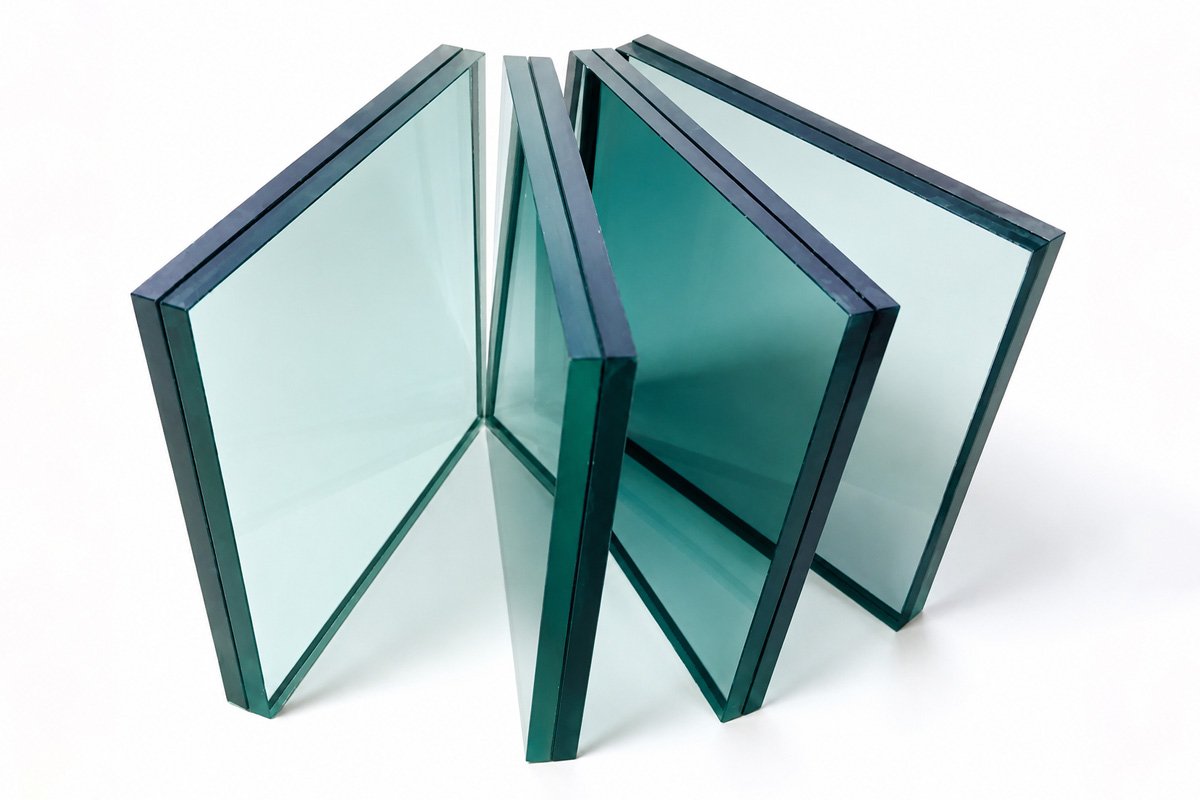
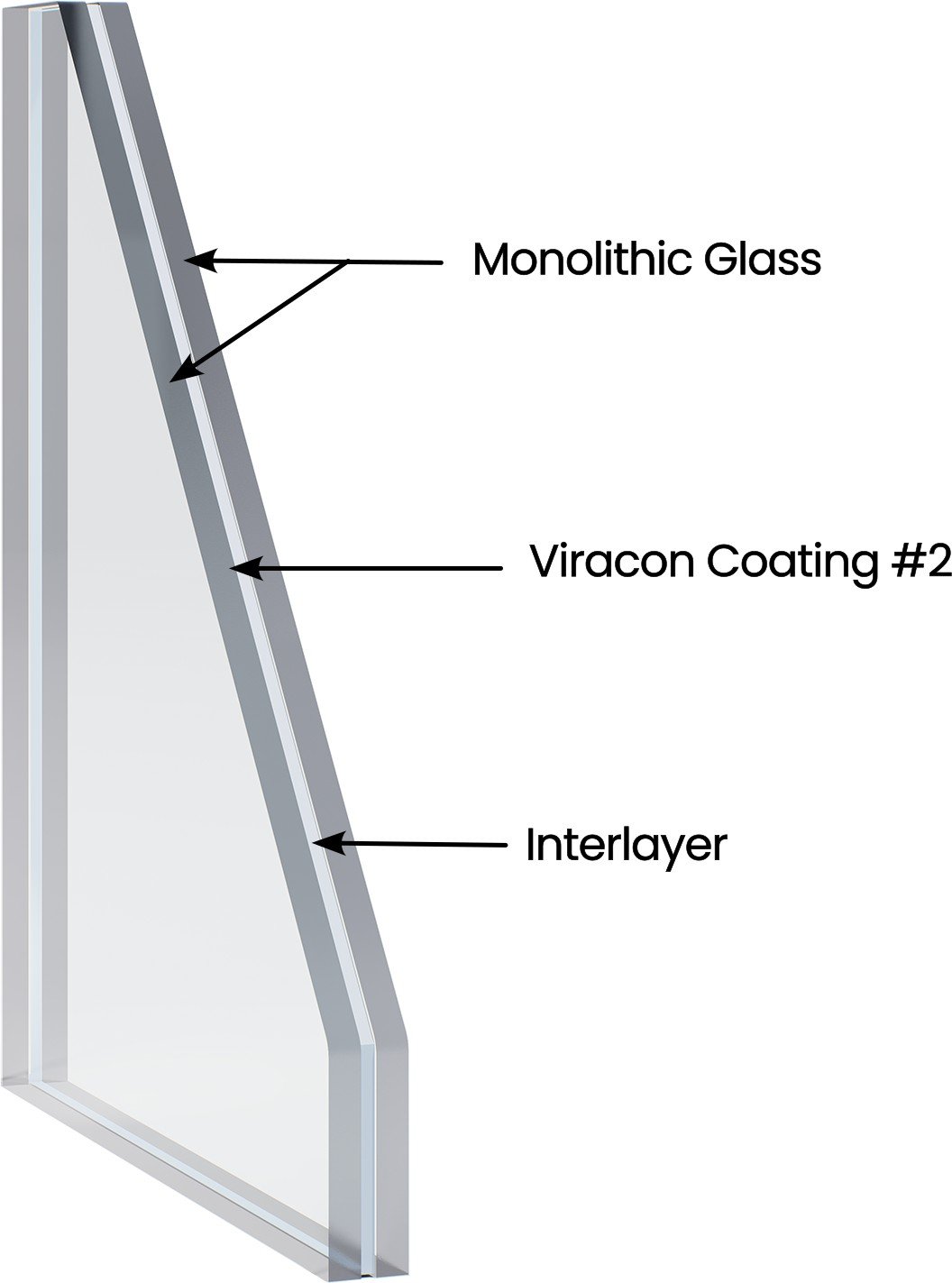
Laminated glass is made by bonding two or more glass plies together with a polymer interlayer under heat and pressure. The interlayer is what makes it a safety glass: if the panel breaks, the pieces stay stuck to it instead of falling out, so the glass holds together and keeps acting as a barrier. We supply builders, façade contractors, and OEMs worldwide, and we make each panel to suit the job — flat or curved, clear or decorative, simple safety glazing or heavy structural builds. Tell us what your project needs and we'll match the glass to it.
Don't hesitate to contact us for more information about our company or laminated glass.
The interlayer keeps the broken pieces bonded in place, so the panel stays in its frame and keeps working as a barrier even after impact. This is the whole reason laminated glass counts as a safety glass.
PVB blocks almost all UV light, which protects what's behind the glass from fading. In acoustic grades, the interlayer also damps sound, giving you a quieter room without a thicker wall.
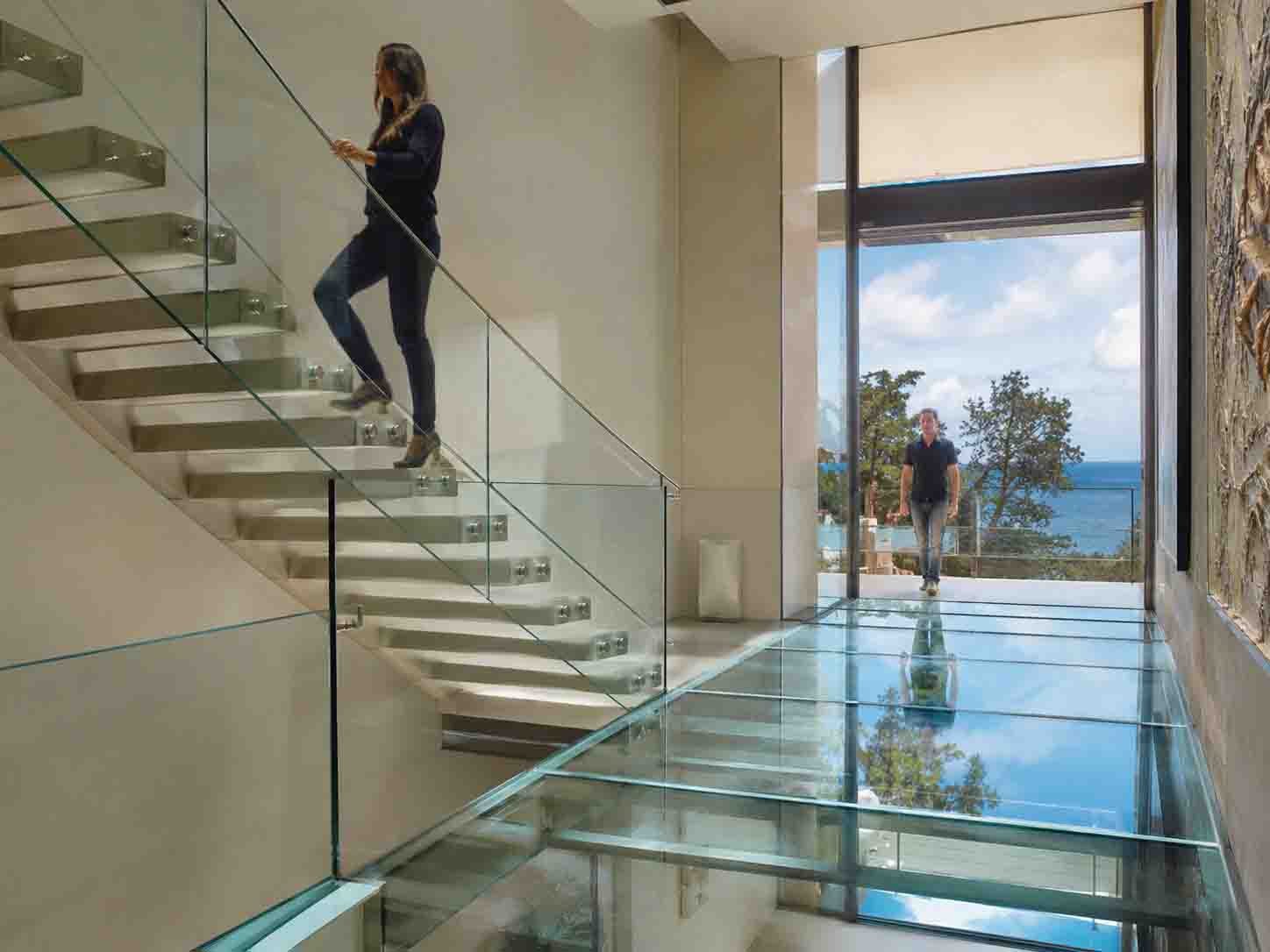
With an SGP interlayer and tempered plies, laminated glass is stiff and strong enough to act as a structural element — floors you can walk on, railings that guard a drop, and canopies that span overhead.
A proper autoclave bond stays optically clear and free of bubbles or delamination for the life of the panel, so the glass looks as good in ten years as it did on day one.
Laminated glass manufacturing requires accurate glass preparation, clean assembly, controlled bonding, and strict final inspection. Each step affects the finished panel’s optical clarity, structural strength, edge quality, and long-term durability. Before lamination, the glass must be cut, shaped, drilled, edged, washed, and heat-treated according to the final application, because many machining processes cannot be carried out after tempering or lamination.
Cutting And Edging: The glass is first cut to the required size according to the drawing or installation layout. After cutting, the edges are ground, polished, beveled, or seamed to remove sharp corners and improve handling safety. Good edge quality also helps reduce the risk of breakage during tempering, lamination, installation, and long-term use.
Drilling And Cut-Outs: Holes, slots, notches, countersinks, and special cut-outs are processed before tempering and lamination. These openings are usually made for fittings, hinges, bolts, railing systems, or façade hardware. Once the glass is tempered or laminated, it can no longer be drilled or cut, so every position and tolerance must be confirmed before production.
Tempering Or Heat-Strengthening: The prepared glass sheets are heat-treated to increase strength and improve safety performance. Tempered glass provides higher impact resistance and safe breakage, while heat-strengthened glass offers better flatness and lower optical distortion. The choice depends on panel size, installation method, safety requirements, and the final application environment.
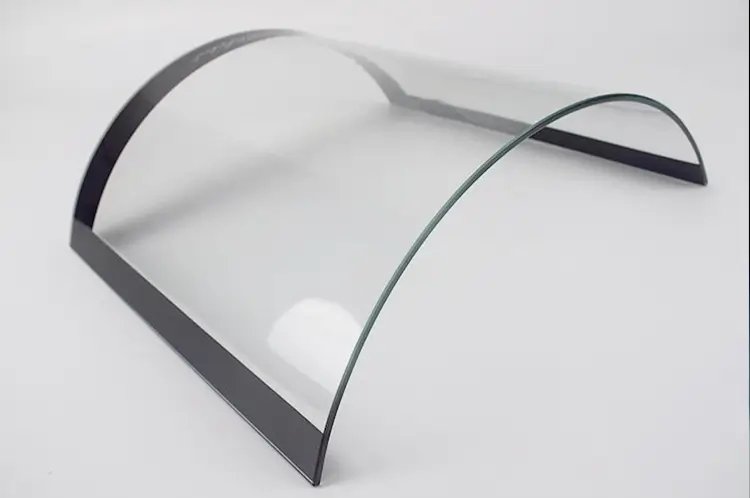
Bending: For curved laminated glass, the glass is bent to the required radius before lamination. This process helps the finished panel keep its designed shape after bonding. Bending is commonly used for curved façades, canopies, railings, skylights, and decorative architectural glass where both appearance and safety are important.
Lamination: The glass sheets are assembled with PVB, SGP, EVA, or other interlayers, then bonded under controlled heat, pressure, or vacuum conditions. PVB is often used for standard safety glass, SGP provides higher stiffness and structural performance, and EVA is suitable for decorative inserts or special applications. Proper lamination creates a clear, strong, and durable glass panel.
Inspection And Packing: After lamination, every panel is checked for size, thickness, edge quality, clarity, bubbles, scratches, delamination, and hole position. Qualified glass is cleaned, labeled, separated with protective materials, and packed in strong wooden crates. Careful inspection and packing help ensure the glass arrives safely and is ready for installation.
When glass carries weight or guards a drop, it has to stay in place even after it breaks. That's why balustrades, stair railings, and walk-on floors use laminated glass, usually with an SGP interlayer and tempered plies, so the panel stays intact and load-bearing.
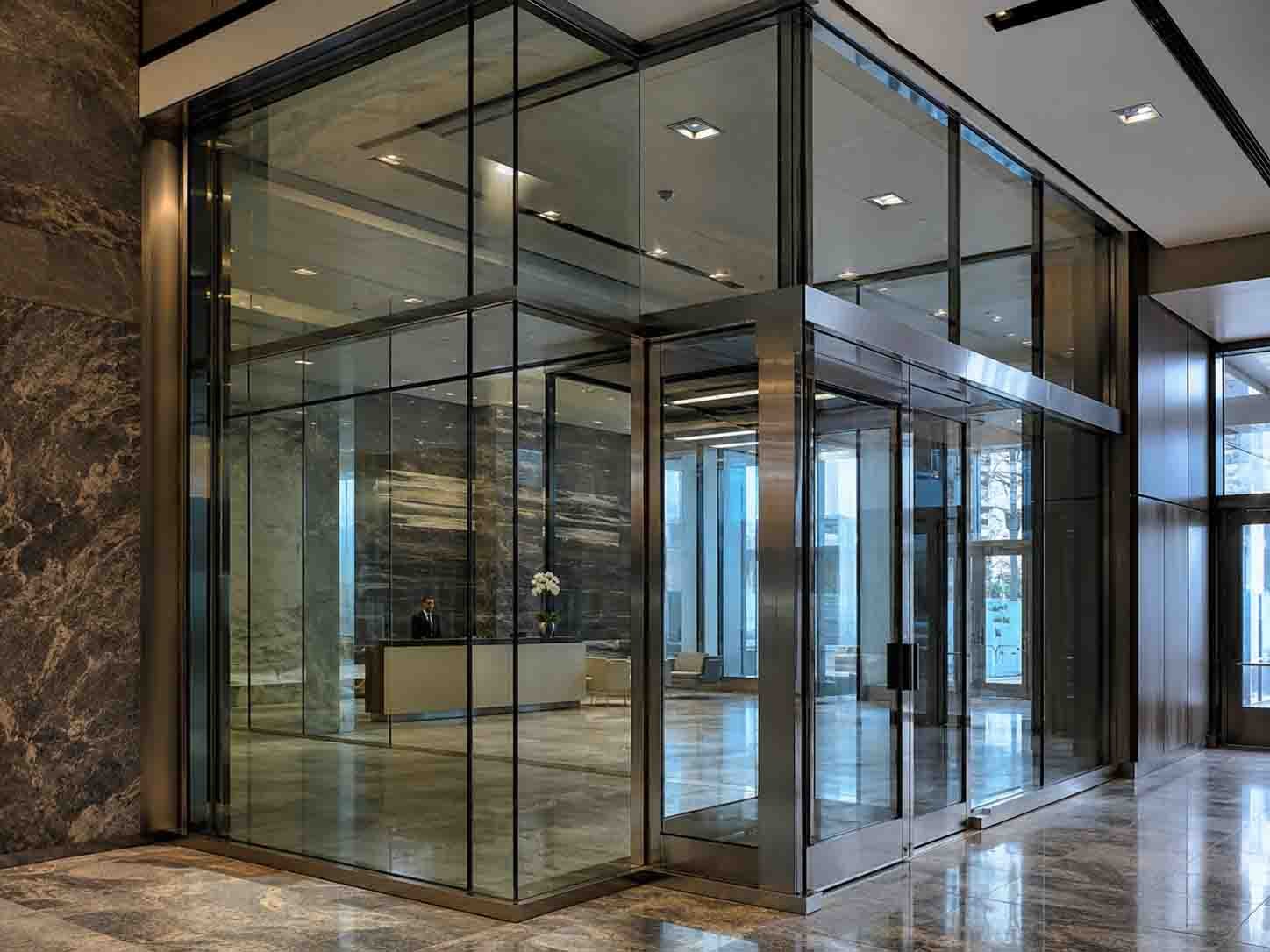
On building envelopes, laminated glass blocks UV, controls noise, and stays in the frame if it's struck, so there's no falling glass below. It pairs with insulated and Low-E builds for façades, curtain walls, canopies, and overhead skylights.
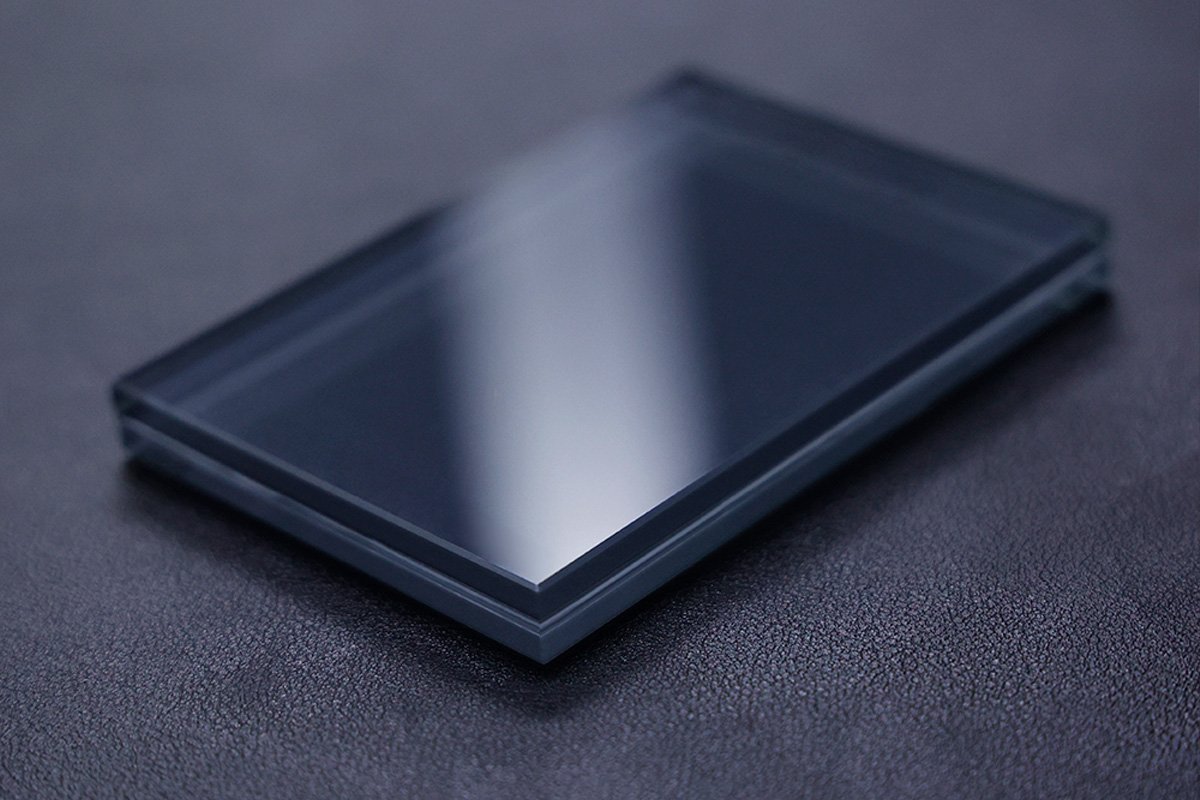
Where security matters, adding plies and thicker interlayers lets the glass resist forced entry, bullets, or blast while still letting light through. Banks, embassies, control rooms, and storefronts rely on it.
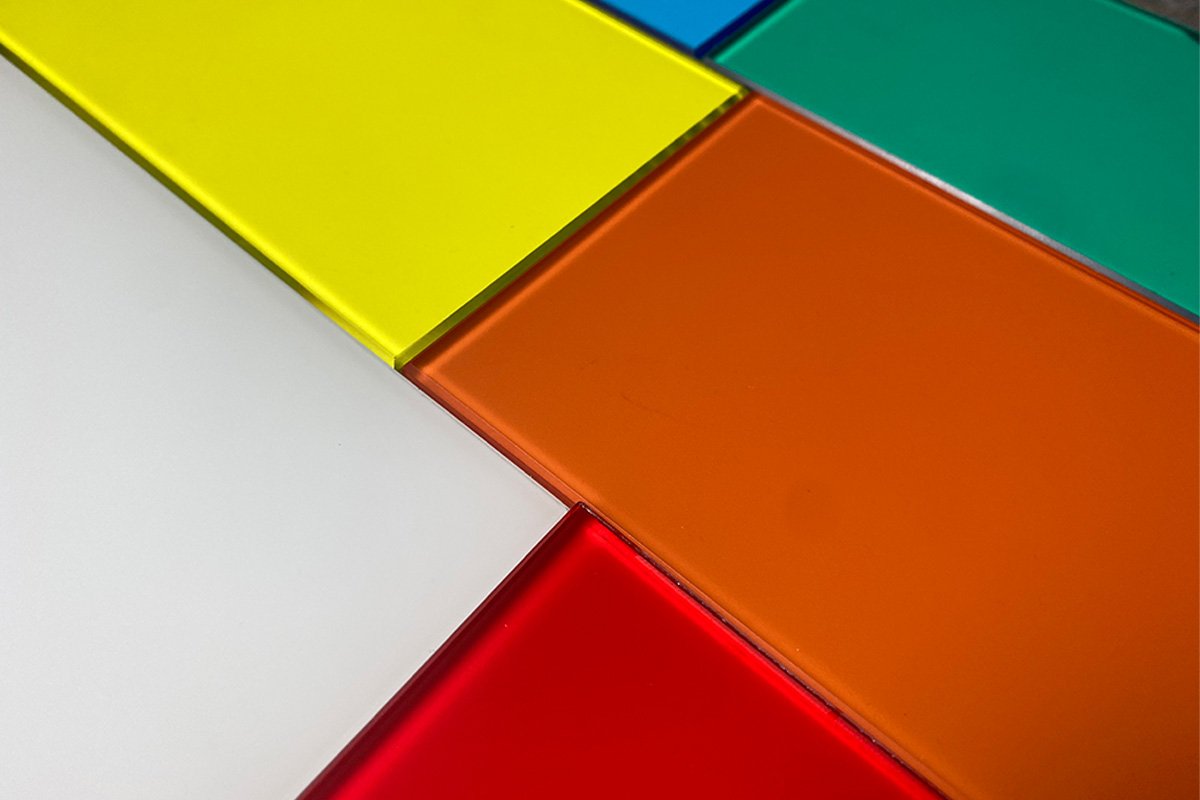
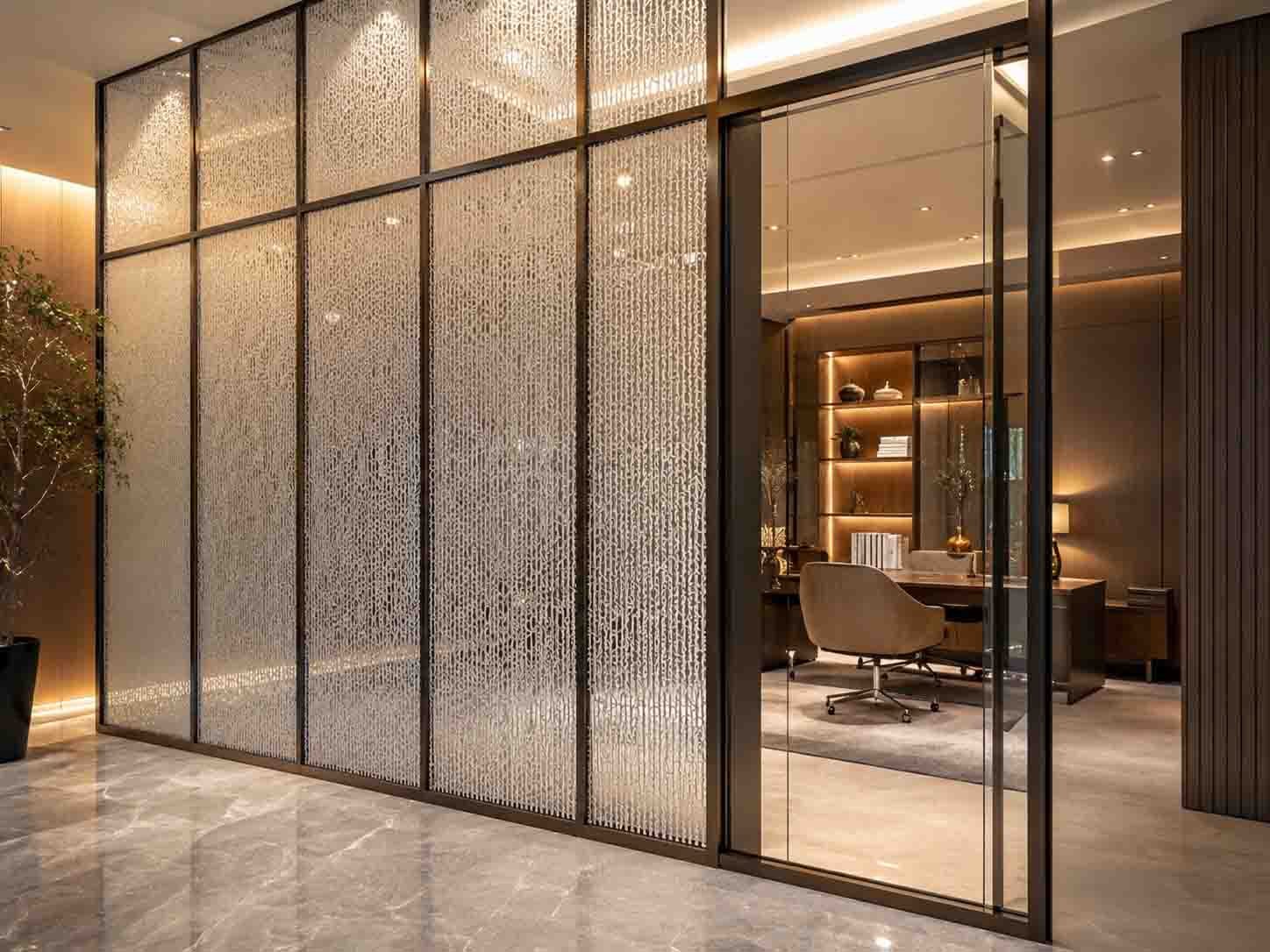
Inside buildings, EVA lamination seals in colored films, fabric, or mesh, so partitions, doors, and feature walls can carry a design while still meeting safety rules.

Use the operating requirement first, then confirm the glass family, processing route and inspection method.
Select the glass and interlayer by injury risk, fragment retention and applicable safety standard.
Review span, support condition, holes and edge exposure with the required load and deflection criteria.
Define impact class, retention time and acceptable post-breakage condition before choosing ply build-up.
Glass plies, interlayer type and thickness form one tested construction.
Exposed edges, holes and cut-outs affect processing and installation.
Define retention and service expectation after breakage.
Reference the required project standard before quotation.
Thermal and chemical routes for glass strength.
Ceramic frit and marking options.
Dimensional and visual inspection.
Protected packing for large or finished panels.
Send the drawing, glass type if known, dimensions, thickness, tolerance, quantity, application and any edge, hole, printing, coating or strengthening requirement.
Yes. Provide the operating temperature, optical requirement, chemical exposure, mechanical load and installation method. The engineering team can narrow the suitable glass families before quoting.
Custom discs, plates, windows, holes, slots, steps and CNC profiles can be reviewed against the selected material and process route.
Tell us the material, size, thickness, tolerance, quantity, application, and any holes, slots, edges, coating, printing, or polishing requirements. We can manufacture custom glass components from your drawing, CAD file, sketch, or sample.