
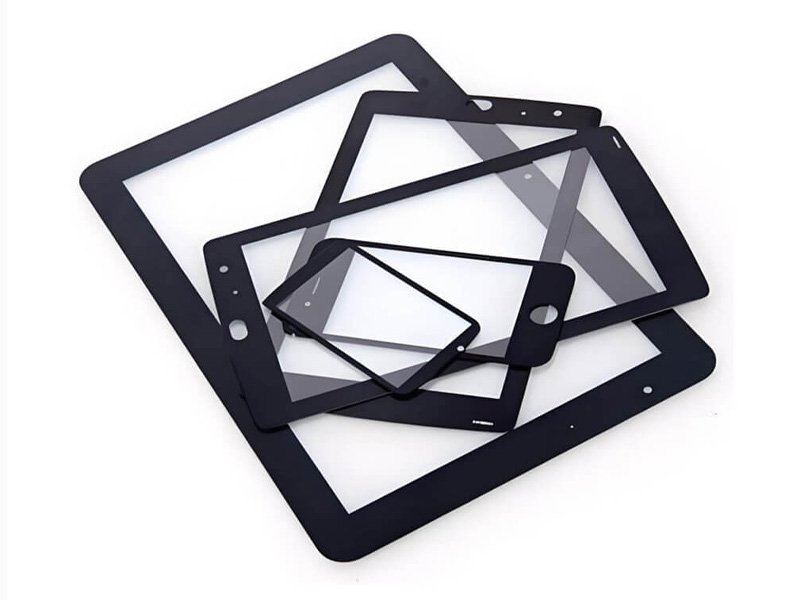
High Resolution
Low-Haze Low-Sparkle AG
Prioritizes detail and pixel clarity while softening distinct ambient reflections.
Anti-glare glass uses a controlled microtexture to spread reflected light. The reflected lamp or window becomes less distinct, but the same surface can scatter display light and soften detail. Haze alone therefore cannot predict readability.
Pixel density, air gap, viewing distance and image content affect sparkle and apparent sharpness. The useful approval method places production-intent AG samples over the actual display and compares them under defined ambient lighting.
| AG route | Chemical etching or another agreed microtexture process |
|---|---|
| Substrates | Soda-lime, low-iron or strengthenable aluminosilicate by project |
| Thickness | Drawing-specific; thin display families reviewed with strengthening route |
| Haze | Target range agreed with the display and measurement method |
| Gloss | Measurement angle and instrument stated on the control plan |
| Sparkle | Evaluated with pixel density, air gap, viewing distance and agreed method |
| Approval | Data report plus golden sample on the target display |
Reference ranges are used for discussion only. The quotation identifies the controlled values and inspection method.
Switch between reference profiles. This is a visual explanation, not measured production data.
Balanced AG: controlled reflections while retaining display detail.
Visualization only. Evaluate physical samples on the intended display and air gap.
These are engineering routes, not artificial product grades. Final values come from the target display.
Prioritizes detail and pixel clarity while softening distinct ambient reflections.
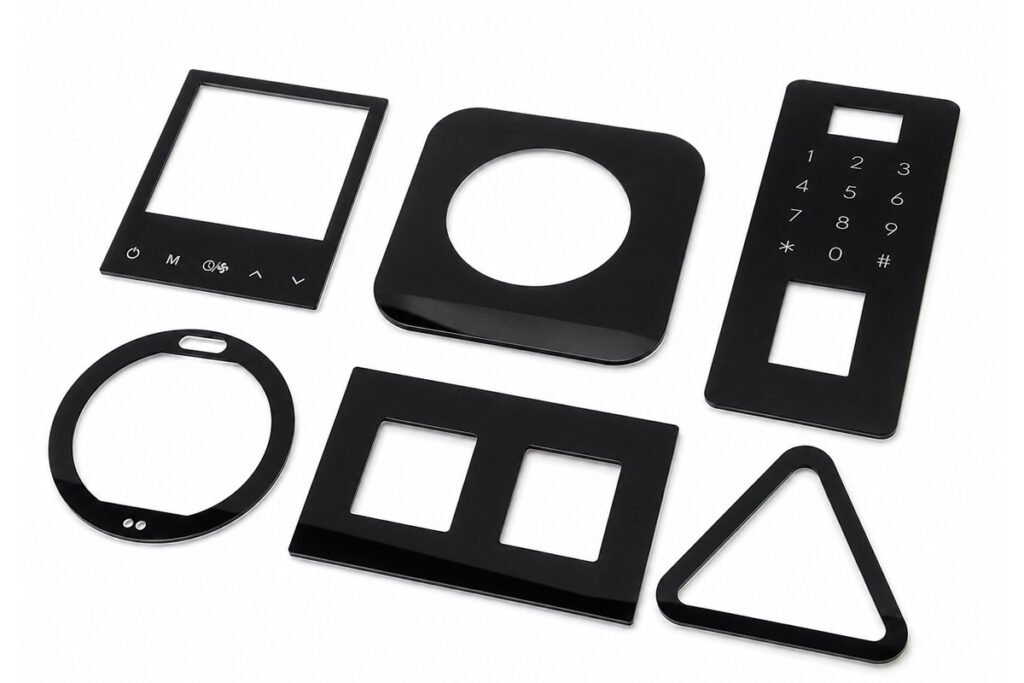
Balances readability, touch feel, cleaning and variable factory lighting.
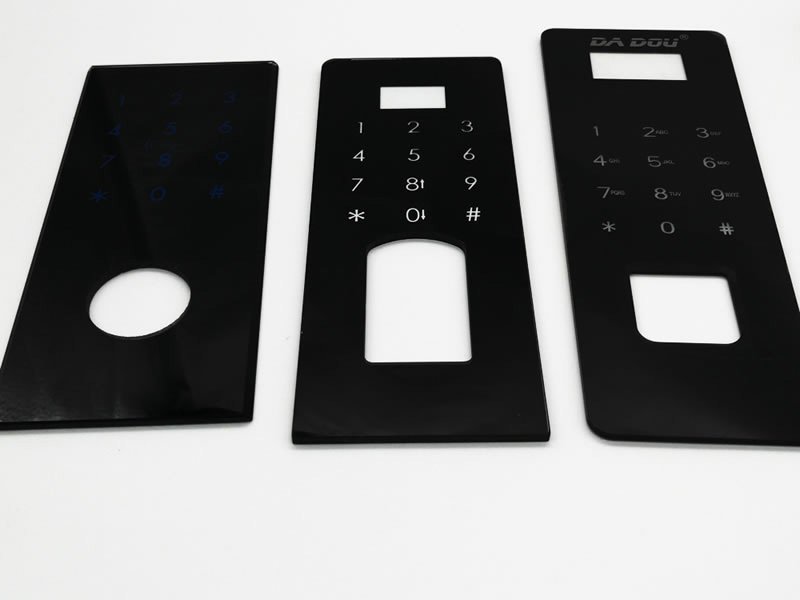
Uses more reflected-light spread where display softness can be accepted.
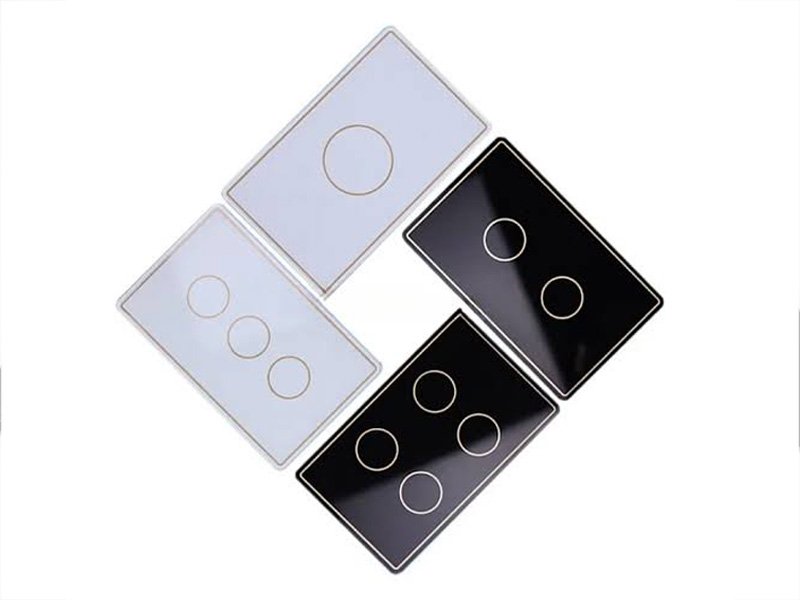
Combines matte reflection control with an easy-clean outer surface.
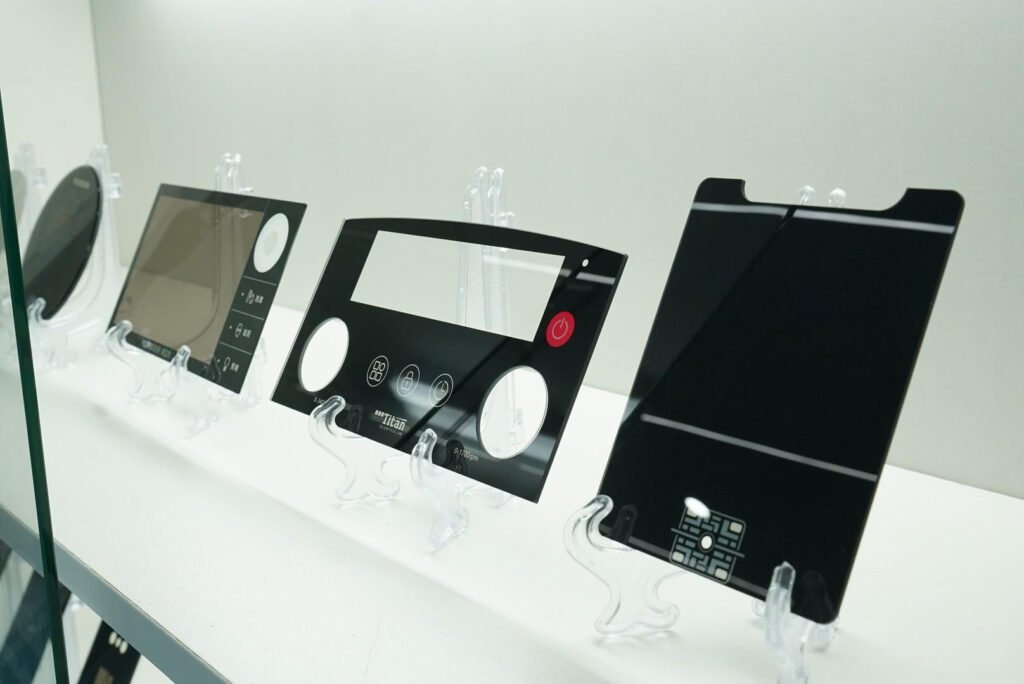
Diffuses distinct reflections and reduces residual reflected energy after stack validation.
Haze measures the fraction of transmitted light scattered away from the direct beam, but it does not describe every spatial feature of the surface. A stronger microtexture may suppress reflected images while also spreading light from neighboring pixels. With a high-resolution display, the texture can interact with the pixel matrix and create sparkle. This is why haze, gloss and roughness should be reviewed together with the actual panel, air gap and viewing distance.
AG quality depends on cleaning, chemistry, time, uniformity, strengthening compatibility and a consistent optical inspection setup.
Lock substrate, coating side, optical or electrical target, test method and downstream process.
Complete cutting, CNC, edge work, cleaning and any compatible strengthening before the controlled coating step.
Apply the selected etch or coating route with orientation, masking and handling controls.
Measure the page-specific optical, surface or electrical characteristics and record uniformity.
Inspect controlled zones and protect the functional surface against contact and contamination.
Inspection conditions and acceptance limits are linked to the approved drawing and coating specification.
The right answers depend on the assembled display rather than the glass coupon alone.
There is no universal value. Ambient light, display brightness, pixel density, air gap and viewing distance determine the useful balance.
Haze describes transmitted-light scatter, while gloss describes specular reflection under a defined measurement geometry. They are related but not interchangeable.
Selected substrates and process sequences can be reviewed. Etching and strengthening order must be compatible and validated.
Yes for compatible systems, but contact angle, touch feel, optical change and retained performance after abrasion should be approved.
Use the intended display, pixel density, air gap, viewing distance and a defined lighting or instrument method. A glass-only visual check is incomplete.
Display cover glass commonly uses a defined user-facing AG surface, but orientation depends on the stack and application. Mark the treated side on the drawing.
Include: Glass outline, thickness and substrate | Display model and pixel density | Air gap or bonding method | Target haze and gloss if known | Ambient-light and viewing conditions | AF/AR and strengthening requirements | Golden-sample approval method.
The sample plan should reproduce the optical stack and ambient-light problem the AG surface must solve. The review identifies the proposed substrate, coating route, measurement method, sample plan and open technical points.
Tell us the material, size, thickness, tolerance, quantity, application, and any holes, slots, edges, coating, printing, or polishing requirements. We can manufacture custom glass components from your drawing, CAD file, sketch, or sample.