

Standard Door
Flat Fire-Viewing Panels
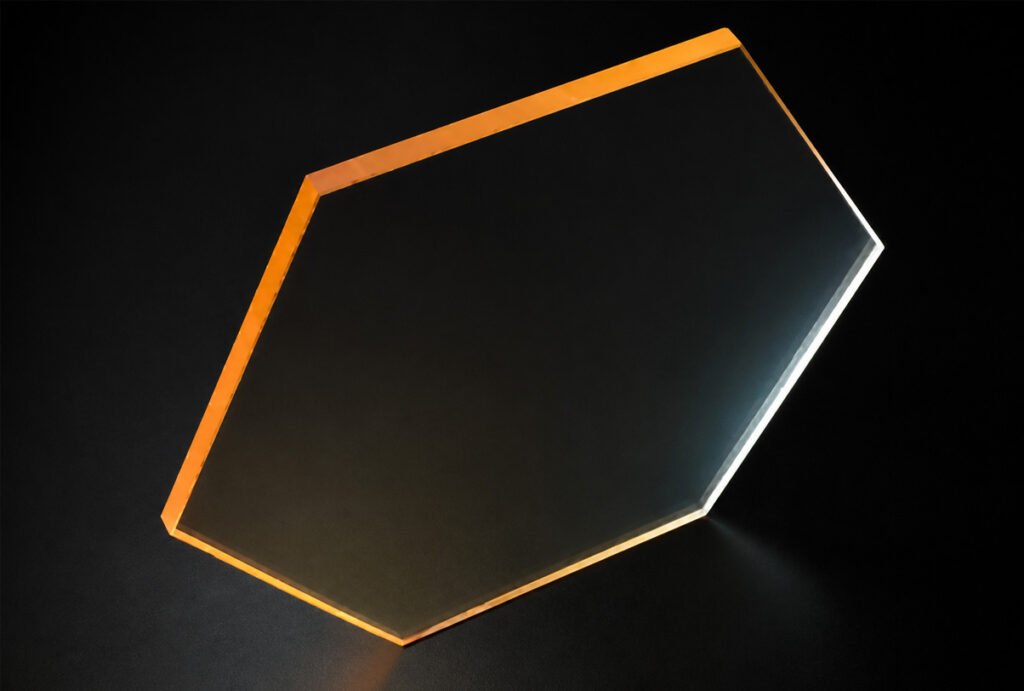
Rectangular or shaped low-expansion glass-ceramic with drawing-controlled edges and corners.
Fireplace and stove glass is normally a low-expansion transparent glass-ceramic, not ordinary float glass. The panel must tolerate a hot viewing area next to a cooler door frame while preserving the desired flame appearance and resisting cleaning exposure.
Panel size, bend geometry, edge quality, coating orientation, frame clearance and gasket compression are connected decisions. We review the complete door cross-section before confirming the material and processing route.
| Panel form | Flat, curved or angular-bent subject to tooling and geometry |
|---|---|
| Thickness | Common fire-viewing thickness reviewed by grade and design |
| Thermal inputs | Fuel, continuous/peak temperature, gradient and cycling |
| Edges | Ground or polished with controlled chips and protected corners |
| Decoration | Logo, border or pattern subject to firing and visual approval |
| Coating | Selected heat-reflective route with side orientation confirmed |
| Assembly | Frame clearance, gasket, clamp load and door movement |
| Approval | Drawing, material grade, cosmetic standard and appliance test |
Reference framework for quotation. Controlled values and test methods are stated in the approved specification.
Each configuration changes tooling, inspection, assembly and thermal behavior.
Rectangular or shaped low-expansion glass-ceramic with drawing-controlled edges and corners.
Single-radius or application-specific curved panels developed from radius, arc and profile data.
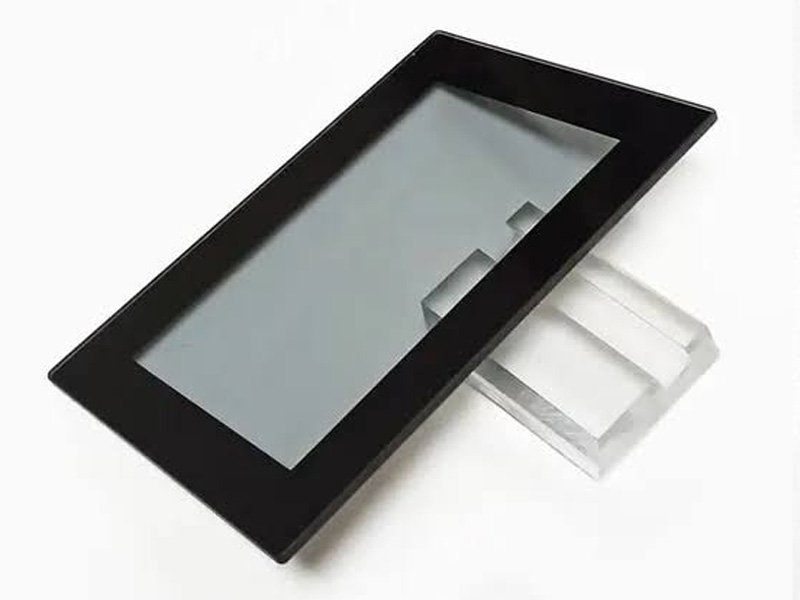
One- or multi-bend panels reviewed for bend line, angle, return length and installed support.
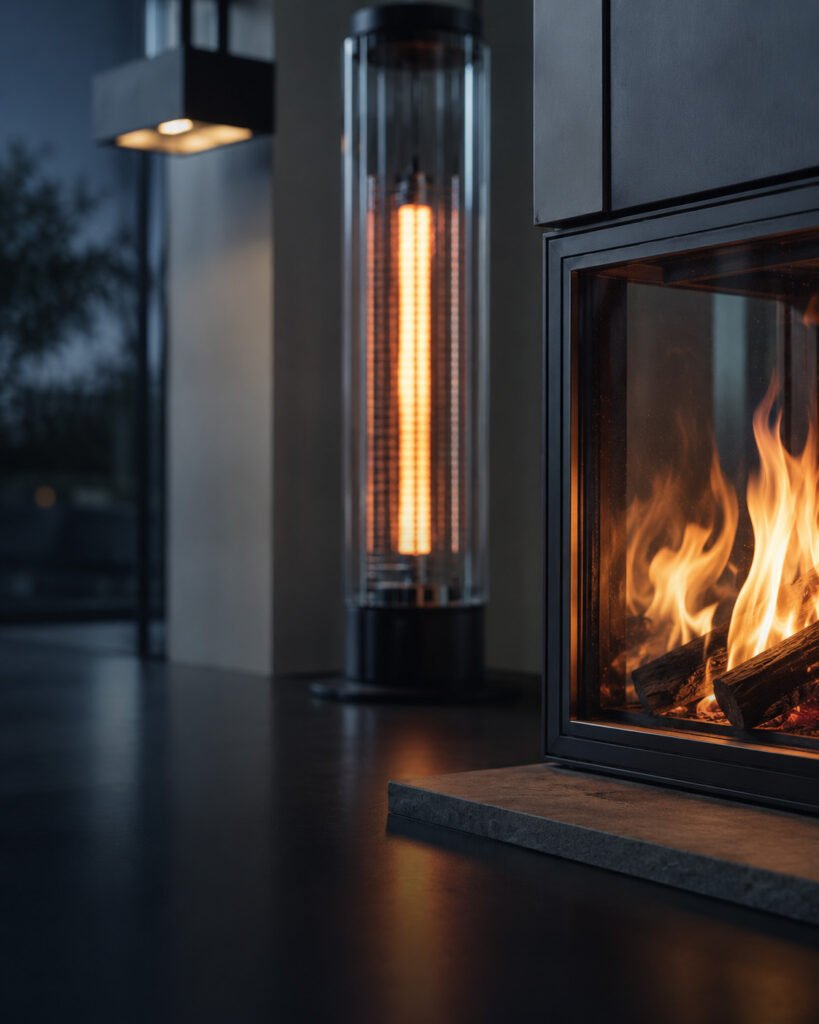
Tint, border and logo options used to manage interior visibility and product identity.
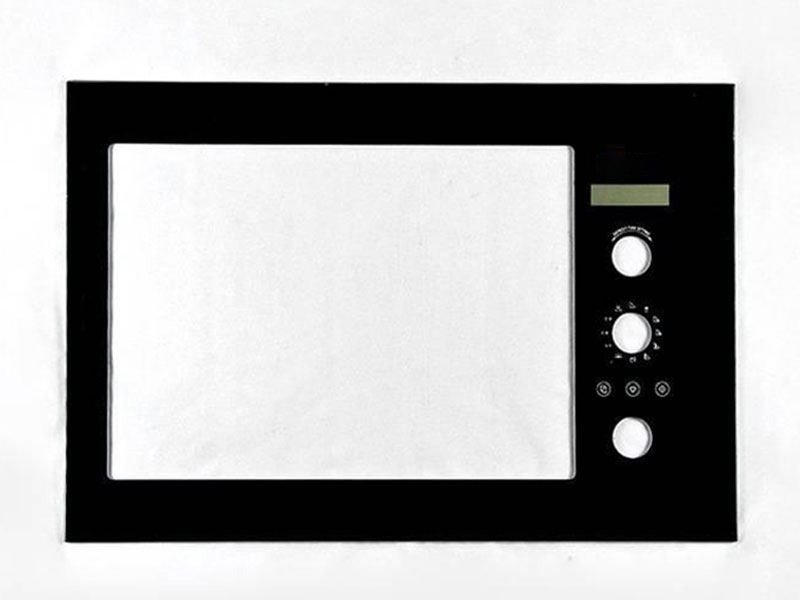
Coated panels reviewed for spectral behavior, coating side, cleaning and appliance validation.
Choose the design objective to see the drawing information needed before tooling or samples.
Send the finished outline, thickness, edge finish, corner radius, cosmetic zone and frame/gasket section.
Control the radius, arc length, height, profile tolerance and how the glass seats in the door.
Bend position and angle influence tooling, edge support and appearance. A 3D file plus 2D inspection drawing is preferred.
Use a controlled tint or decoration and approve both the appliance-on and appliance-off appearance.
Define the heat-management objective and coating side, then validate temperature, visible appearance and cleaning in the door system.
Low-expansion glass-ceramic handles steep temperature differences well, but it is still a brittle material. A metal door frame expands, twists and transfers load differently from the glass. Hard contact at one edge or uneven clamp force can create a local tensile stress.
The mounting should distribute load through the specified gasket and preserve the designed clearance. The final appliance test must include repeated heating, cooling, door movement and cleaning conditions.
The basic material may stay similar, but the approval method changes with geometry and surface function.
| Configuration | Key Drawing Data | Primary Validation |
|---|---|---|
| Flat | Outline, corners, edge and thickness | Fit, cosmetics and thermal cycle |
| Curved | Radius, arc, chord, sag and profile | Gauge/fixture and optical distortion |
| Angular bent | Bend line, angle, returns and orientation | 3D profile and frame contact |
| Printed / tinted | Color, opacity, viewing and print zones | On/off appearance and firing stability |
| IR coated | Coating side and target heat behavior | Spectrum, appearance, cleaning and cycle |
Typical family-level data for initial selection. Use the named grade data sheet and project conditions for final design.
A heat-reflective coating changes which direction radiant energy is returned and which surface is exposed to cleaning. Installing the correct glass with the wrong orientation can change performance and appearance.
Mark the room side and combustion side on both the drawing and the part. Include a non-ambiguous corner mark or packaging orientation where needed.
The release plan combines dimensional inspection with surface, coating and appliance-specific validation.
Confirm material grade, thermal profile, atmosphere, optical task, geometry and assembly constraints.
Lock datums, edge profiles, holes, critical zones and the named substrate before fabrication.
Cut or CNC the part, grind edges and complete holes or slots before any incompatible downstream process.
Apply printing, strengthening, coating, polishing or cleaning in the validated sequence.
Release dimensions, surface quality and functional tests, then protect critical faces for shipment.
Inspection conditions and acceptance limits follow the approved drawing, material grade and validation plan.
The correct answer usually depends on the complete door design.
Direct high-gradient fire viewing normally requires a suitable low-expansion glass-ceramic. Do not substitute ordinary tempered float glass without appliance engineering approval.
Provide radius, arc length or chord/sag, height, thickness, edge profile, orientation and a 3D model where possible.
Selected ceramic decoration routes can be reviewed for color, opacity, firing compatibility, thermal exposure and cleaning.
It depends on the coating design. The approved drawing and packaging must identify room side and combustion side.
Clearance depends on panel size, material, frame expansion, gasket and appliance design. It must be defined by the door engineer and validated through thermal cycling.
A sample can support shape review, but an OEM drawing and appliance conditions are preferred for repeatable production and safe fit.
Include: 2D drawing and 3D model for curved parts | Material grade if specified | Fuel type and thermal cycle | Frame, gasket and clamp detail | Print/tint and viewing zone | Coating side and cleaning method | Prototype and production quantity.
A complete fire-glass RFQ describes the panel, bend geometry, appearance and installed contact conditions. We return a proposed material and process route, open technical questions, sample plan and inspection points for approval.
Tell us the material, size, thickness, tolerance, quantity, application, and any holes, slots, edges, coating, printing, or polishing requirements. We can manufacture custom glass components from your drawing, CAD file, sketch, or sample.