
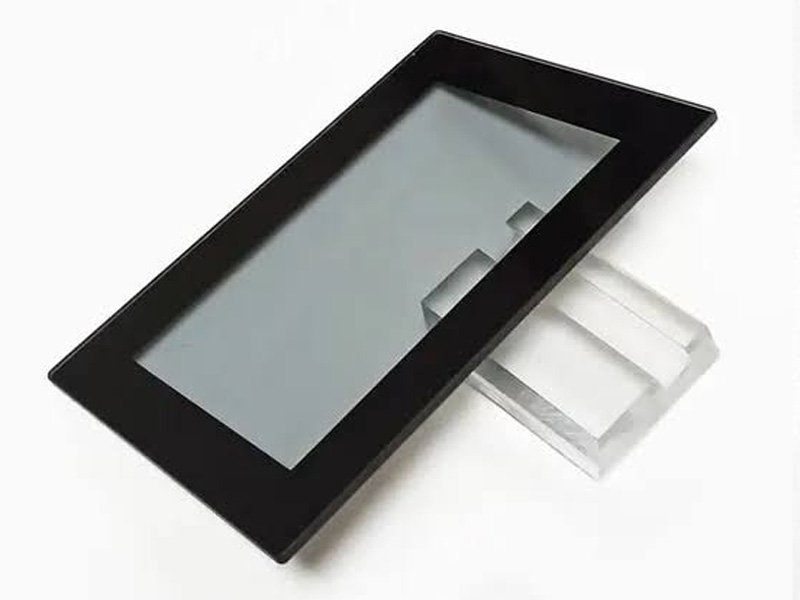
Cooking Appliances
Oven & Microwave Control Panels
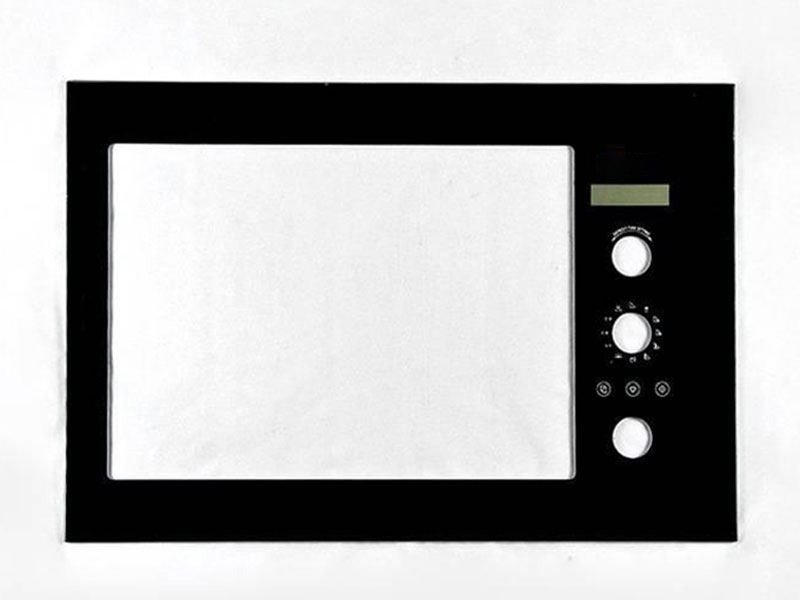
Printed fascias with knob openings, display windows and heat-aware material selection for controls near the appliance cavity.
The control glass is the visible, touchable and structural face of an appliance interface. Its design must coordinate with the display, touch sensor, backlighting, housing and mounting method. A panel that looks correct by itself can still create light leakage, weak touch response or assembly problems when these interfaces are not reviewed together.
SpecialGlass manufactures custom panels from customer drawings and artwork. Material, strengthening, printing and surface treatment are selected for the actual operating temperature, panel thickness and validation requirements.
| Glass substrate | Clear soda-lime, low-iron, aluminosilicate or heat-resistant glass after application review |
|---|---|
| Panel geometry | Flat profiles, radiused corners, holes, slots, display windows and CNC cutouts |
| Strengthening | Thermal tempering or chemical strengthening, matched to glass type and thickness |
| Printing | Opaque, translucent and clear zones with single or multicolor artwork |
| Surface options | Gloss, matte and selected AG, AR or AF treatments after compatibility review |
| Inspection plan | Dimensions, print position, color, opacity, surface quality, bow and strengthening checks |
Final material, tolerances and test criteria are confirmed during drawing and sample review.
Each appliance places different demands on heat exposure, touch performance, display contrast, cleaning and mounting. These are application families, not stocked replacement parts.
Printed fascias with knob openings, display windows and heat-aware material selection for controls near the appliance cavity.
Touch-control zones and printed indicators developed around the sensor layout. Heated worktop glass is reviewed separately as glass-ceramic.
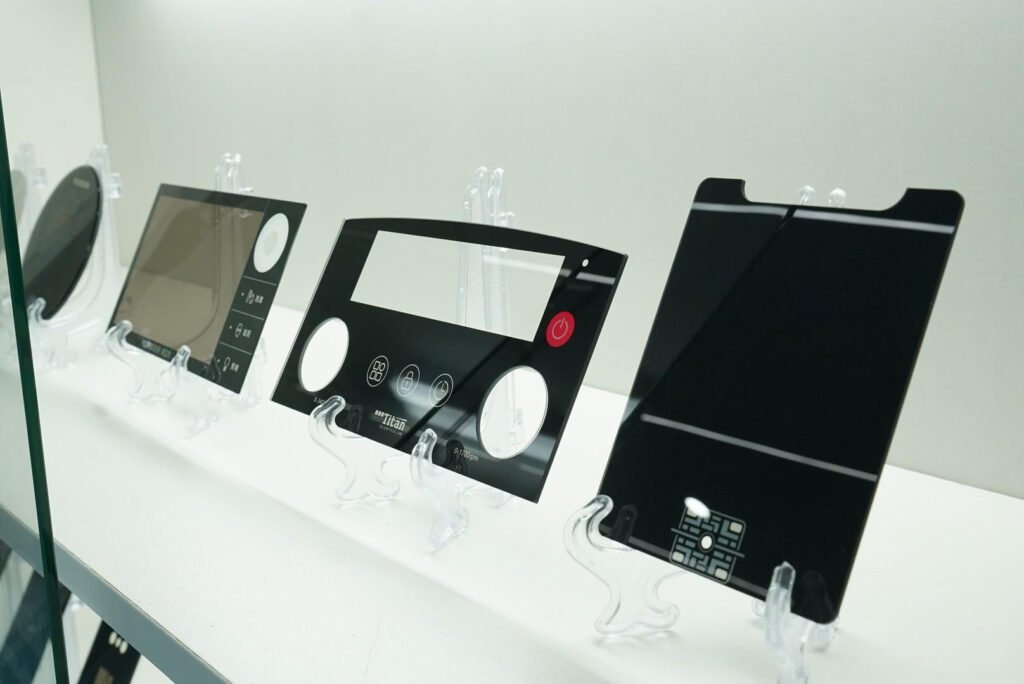
Black or color-printed control panels with touch icons, indicator windows and surface options selected for grease and frequent cleaning.
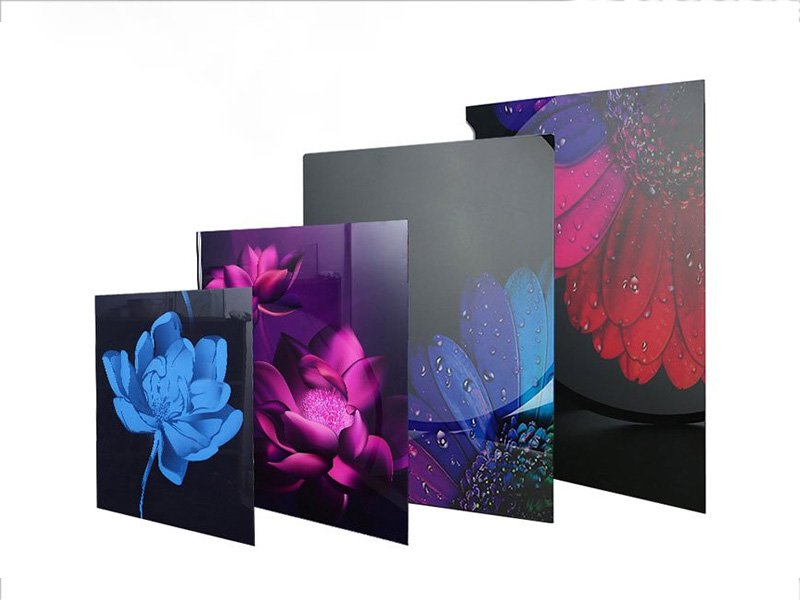
Display covers and control fascias with clear or tinted windows, printed borders and assembly tolerances coordinated with the door module.
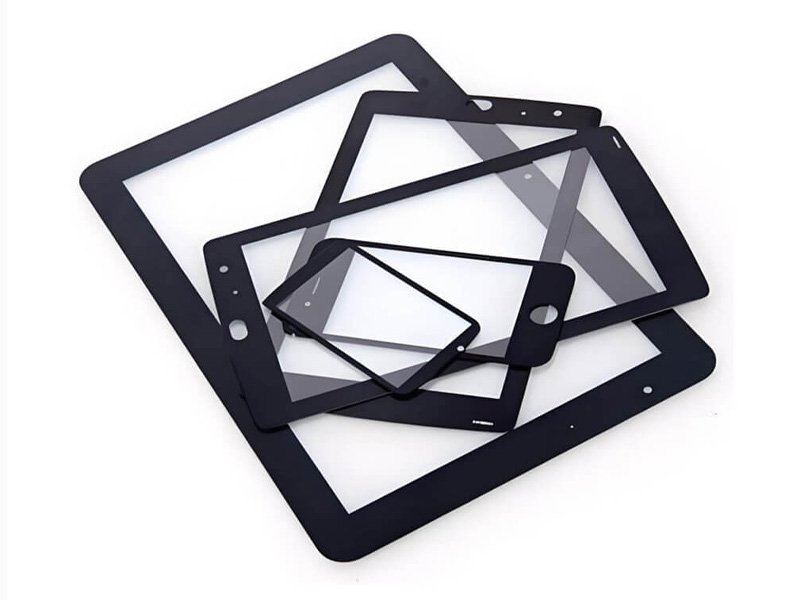
Compact interface glass reviewed for edge protection, touch operation, bonding and exposure to moisture and household cleaning products.
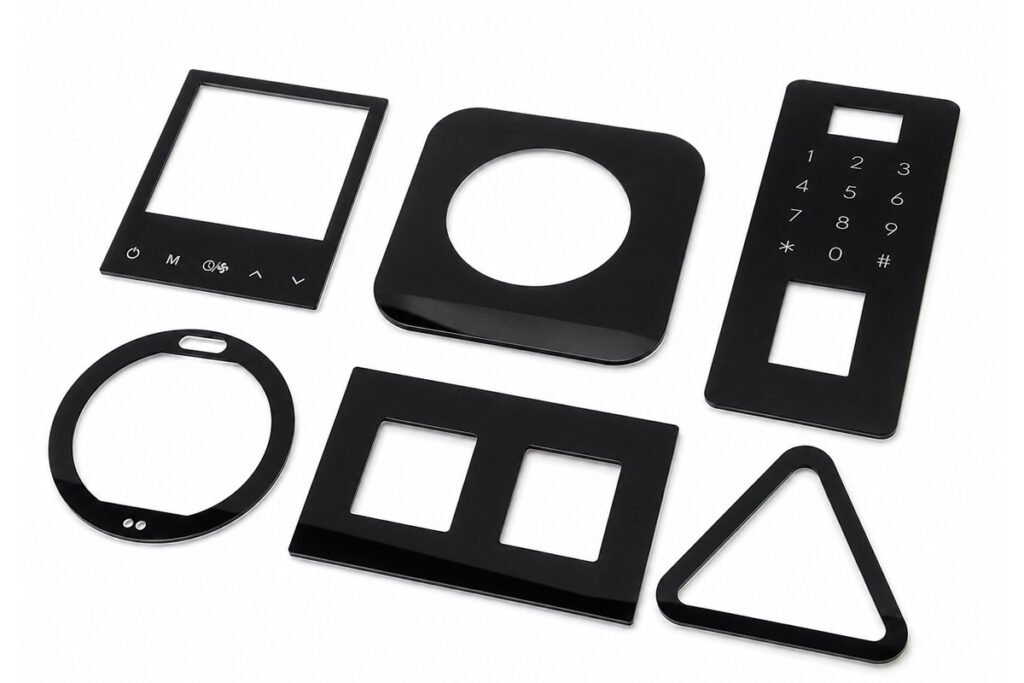
Display and touch-control glass with shaped borders, central windows and print alignment matched to the electronic control assembly.
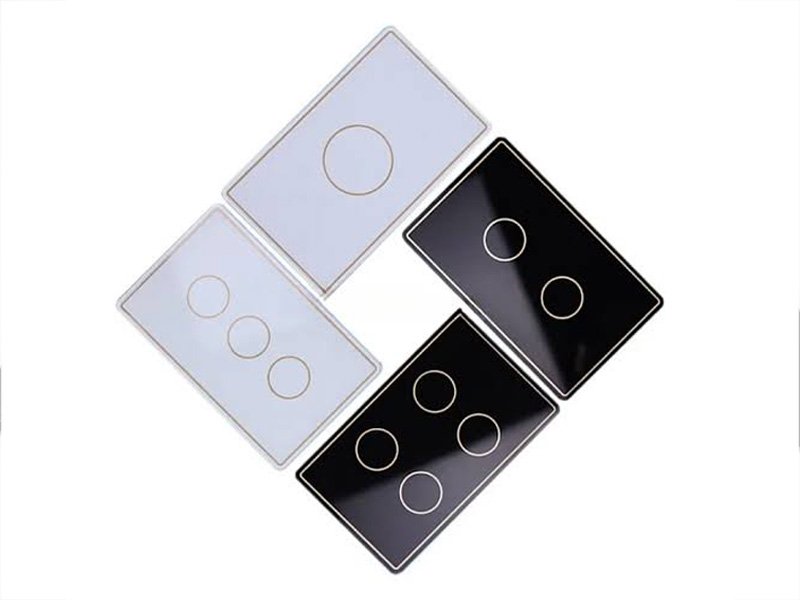
Custom glass for coffee machines, water dispensers, air treatment equipment and countertop appliances where graphics, display visibility and compact assembly must work together.
We can review the glass geometry together with the display, touch zones, housing and mounting method.
There is no single substrate for every appliance control panel. Standard printed fascias, thin touch interfaces and panels close to heat sources require different material and strengthening decisions.
The table provides an initial engineering direction. Final selection depends on the unsupported area, edge design, impact requirement, thermal environment and validation plan.
| Design Requirement | Initial Direction | Review Focus |
|---|---|---|
| Standard printed fascia | Soda-lime glass | Thickness, tempering and mounting |
| Accurate light colors | Low-iron glass | Color sample and edge appearance |
| Thin touch interface | Aluminosilicate glass | Chemical strengthening and sensor stack |
| Panel near a heat source | Borosilicate review | Temperature gradient and thermal shock |
| Integrated heated worktop | Glass-ceramic review | Heating zone, print system and certification |
Use the reference viewer to explore how the same dark interface changes when the backlight is on. The final appearance must be validated with the customer's actual LEDs, display, sensor stack and viewing conditions.
Backlight off: icons and the display area blend into the dark surface.
Visual reference only. These controls do not represent measured SpecialGlass production data.
A dead-front window must hide the inactive display while transmitting enough light for clear information when illuminated. Ink density, print thickness, display color, air gaps and viewing angle all affect the result. Excessive opacity reduces brightness; insufficient opacity exposes the inactive display and can create uneven light leakage. For that reason, transmission targets and cosmetic limits should be approved on samples assembled with the real light source.
The quotation drawing should identify the dimensions that control fit, touch alignment and the visible interface. Select a review mode to see which features require extra attention.
No automatic pass or fail is shown. Feasibility and tolerances are confirmed after the glass type, thickness and strengthening route are known.
Holes, slots and sharp internal corners concentrate stress. Their diameter, edge distance and surface finish influence breakage risk during processing, tempering, assembly and service. For thermally tempered glass, cutting and mechanical machining are normally completed before the strengthening cycle. The drawing review therefore checks fragile features early, when the geometry can still be adjusted without compromising the finished panel.
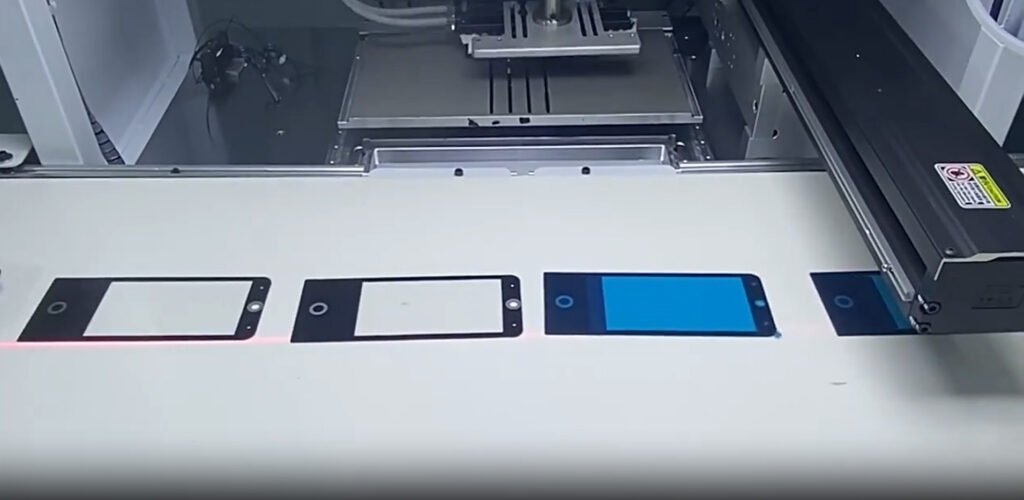
Artwork is reviewed as a functional layer of the interface. Opaque borders mask the electronics, translucent zones control illuminated graphics and clear areas expose displays or sensors. The print system must remain compatible with the substrate and strengthening sequence.
The process route is established around the material, shape, print system and strengthening requirement. Inspection points are defined before the sample is approved.
Confirm datums, critical dimensions, visible zones and revision control.
Form the profile, holes, slots and display openings before strengthening.
Prepare exposed edges and a controlled surface for printing or coating.
Use a process sequence compatible with the glass substrate and ink system.
Inspect the approved characteristics and protect finished surfaces in shipment.
Test methods, sampling level and acceptance limits should be agreed in the drawing, quality agreement or purchase specification.
Answers are general design guidance. Final values depend on the drawing, material, processing route and validation requirements.
Thermally tempered soda-lime glass is a common starting point for standard printed fascias. Low-iron glass can improve light colors, while aluminosilicate, borosilicate or glass-ceramic may be considered for thin, impact-sensitive or heat-related designs.
Yes, but the ink stack and transmission target should be evaluated with each intended light source. LED color, brightness, display construction, air gaps and ambient light can change the visible result.
Mechanical cutting and drilling are normally completed before thermal tempering. Post-tempering machining can release the surface stress and break the panel.
Define the visible area, location datum, transmission or appearance target, display color, backlight condition and whether the inactive display must be hidden. A physical assembled sample is recommended for approval.
They may be combined when the coating area, print side, curing conditions and process sequence are compatible. The complete stack should be reviewed before quotation.
Send a dimensioned glass drawing, vector artwork, material or thickness preference, assembly information, application conditions, estimated quantity and required inspection criteria.
Color references, sample approval conditions, measurement method and allowable variation should be agreed before production. Lighting, substrate color, ink thickness and surface finish all influence the observed color.
Yes. The review should include glass thickness, dielectric stack, sensor layout, printed areas, adhesive, air gaps and the required touch performance after final assembly.
Include: Lit and unlit appearance | Touch response after assembly | Display color and viewing angle | Housing fit and bonding area | Color and cosmetic approval sample | Drawing and artwork revision | Dimensioned PDF, DWG or DXF drawing.
A control panel should not be approved from an unlit glass sample alone. Evaluate the panel with the intended display, backlight, touch sensor, adhesive or frame and cleaning method.
Tell us the material, size, thickness, tolerance, quantity, application, and any holes, slots, edges, coating, printing, or polishing requirements. We can manufacture custom glass components from your drawing, CAD file, sketch, or sample.