
Prioritize Oil Release and Friction
Use repeated touch and wipe conditions representative of the product, then compare appearance and contact angle.
- Defined finger-soil or oil
- Wipe material and pressure
- Initial versus aged touch feel
Anti-fingerprint coating lowers the surface energy of glass so water and oils spread less and contamination releases with less wiping. A high initial water contact angle is useful, but it does not fully describe fingerprint visibility, oil repellency, friction or end-of-life performance.
The RFQ should state the abrasion load, rubbing material, number of cycles, cleaner chemistry and acceptance limit after testing. For AR or AG combinations, the complete stack must preserve optical performance and adhesion.
| Surface function | Oleophobic and hydrophobic easy-clean top surface |
|---|---|
| Initial contact angle | Project target; commercial reference examples commonly begin above 100 degrees |
| Retained performance | Minimum contact angle or cleanability after agreed wear and exposure |
| Optics | Transmission, haze and reflection checked before and after coating |
| Combined stack | AF over AR, AG+AF or AG+AR+AF after sequence validation |
| Durability | Abrasion material, load, speed, cycles and cleaner defined |
| Approval | Contact-angle data, visual wipe comparison and golden sample |
Reference ranges are used for discussion only. The quotation identifies the controlled values and inspection method.
Select the dominant exposure to see what should be measured before and after testing.
Use repeated touch and wipe conditions representative of the product, then compare appearance and contact angle.
Specify every cleaner, concentration, dwell time and cycle count instead of using a generic chemical-resistance claim.
State the rubbing material, load, stroke, speed and cycles, then measure the retained surface function.
Evaluate spectral shift, coating adhesion and AF durability on the final AR construction.
The AF layer is the user-contact surface; the optical and mechanical layers beneath it change the validation plan.
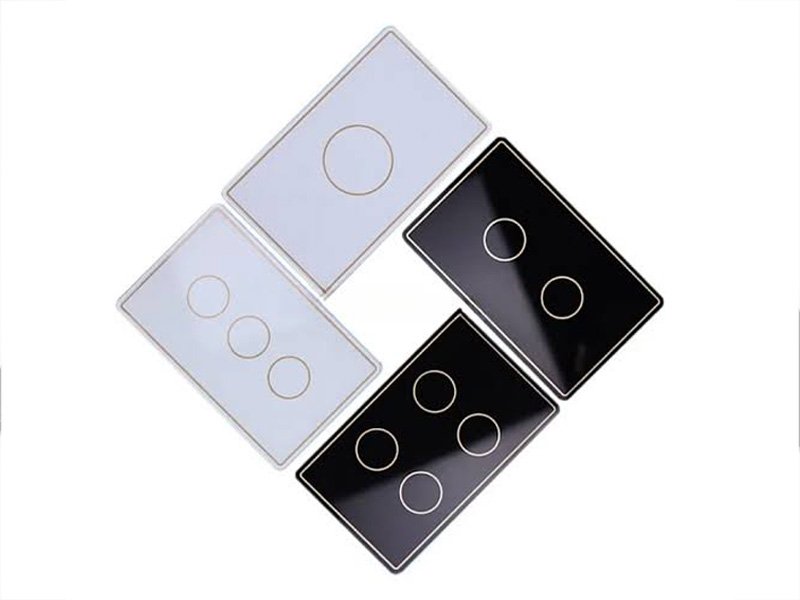
Easy-clean outer surface for touch displays, kiosks and control panels.
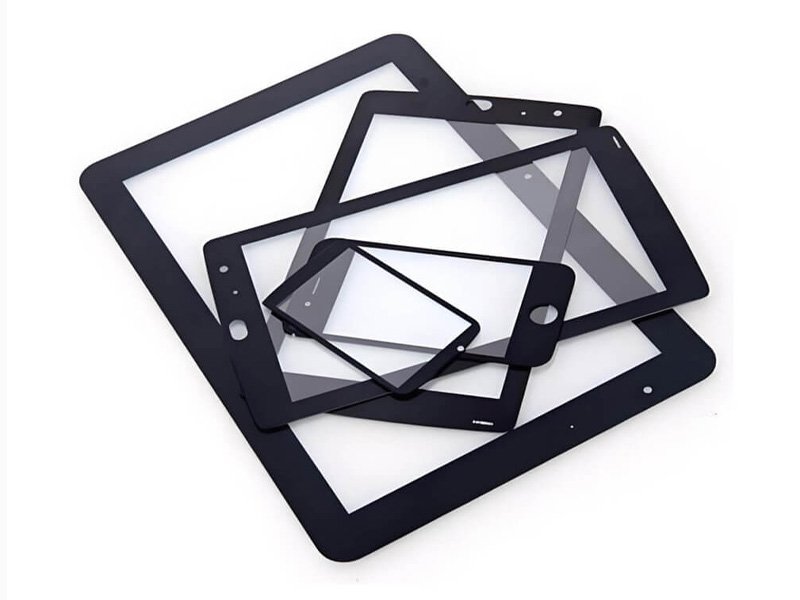
Anti-reflective stack protected by a compatible oleophobic top layer.
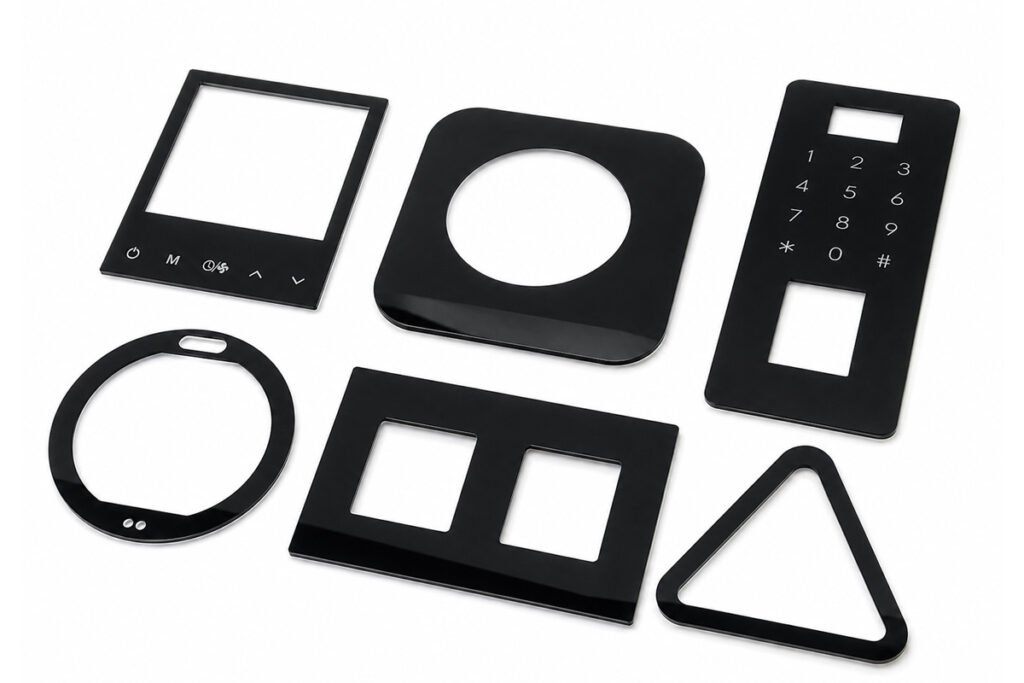
Controlled glare with a surface designed for easier oil release and cleaning.
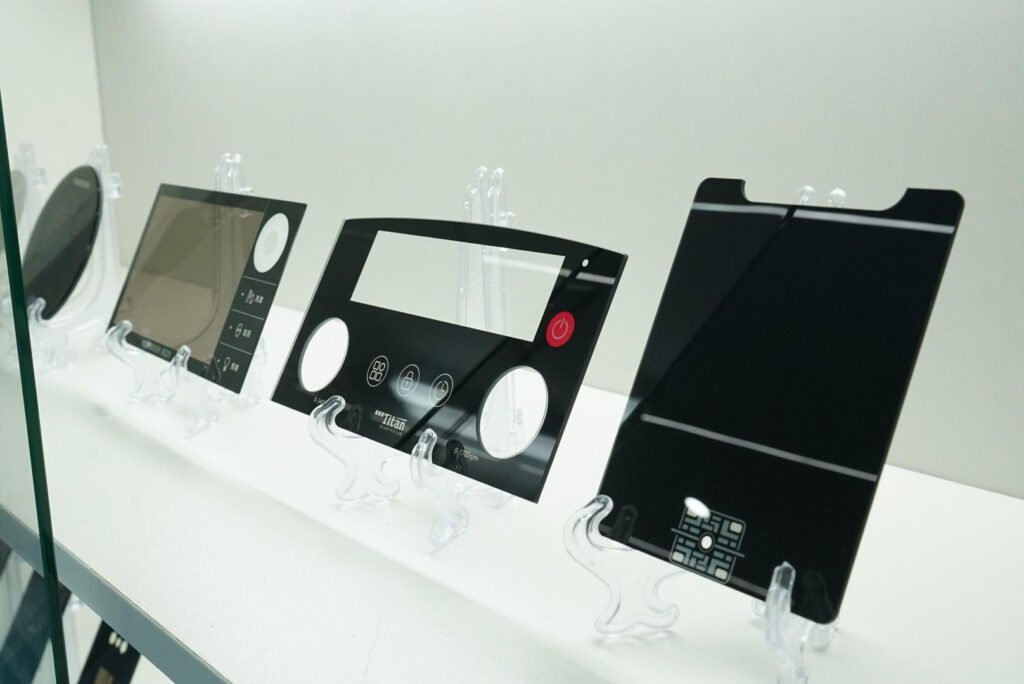
Validated against customer cleaners, abrasion and temperature/humidity cycles.
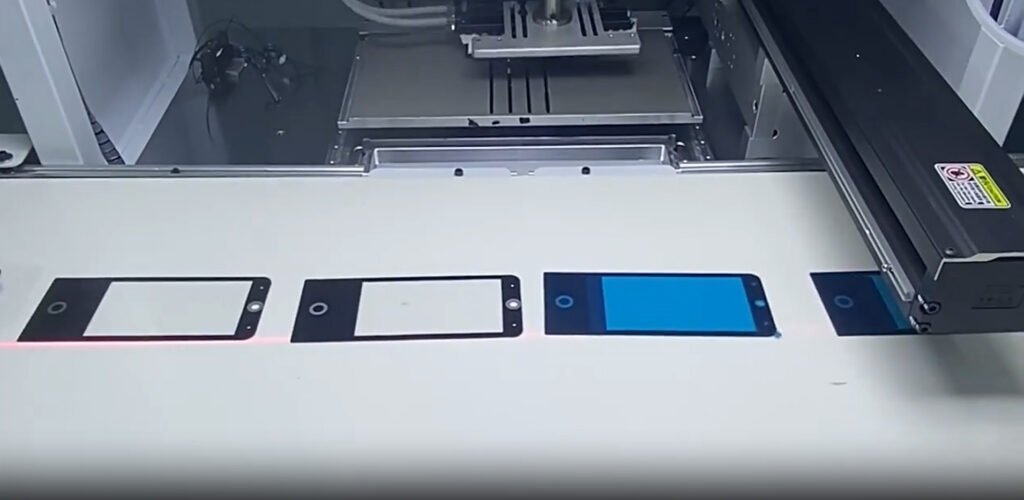
Graphics, display windows and touch zones coordinated with the easy-clean surface.
A water droplet measures wetting by one liquid under one geometry. Fingerprints contain oils, salts and particles, while wipe performance depends on adhesion, surface friction and the cloth or cleaner used. Two coatings can start with similar water contact angles yet differ in oil repellency or durability. A practical specification combines initial and aged contact angle with a controlled wipe or visual soil-removal test that reflects the real product.
Clean substrate preparation and controlled deposition are only the start. Release data must include the retained surface result.
Lock substrate, coating side, optical or electrical target, test method and downstream process.
Complete cutting, CNC, edge work, cleaning and any compatible strengthening before the controlled coating step.
Apply the selected etch or coating route with orientation, masking and handling controls.
Measure the page-specific optical, surface or electrical characteristics and record uniformity.
Inspect controlled zones and protect the functional surface against contact and contamination.
Inspection conditions and acceptance limits are linked to the approved drawing and coating specification.
A credible AF specification includes aging and a repeatable cleaning method.
Choose an initial and retained target based on the application and test method. A new-coating number alone does not define service life.
No. It reduces wetting and can make oils easier to remove, but fingerprint visibility still depends on lighting, glass color, roughness and contamination.
Yes for compatible stacks, with spectral performance, adhesion and retained contact angle validated on the final construction.
Define the rubbing material, load, speed, stroke, cycles and any chemical preconditioning, then measure contact angle and cleanability afterward.
The coating is very thin, but the complete glass thickness, sensor, adhesive and controller still require touch validation.
Compatible AG+AF constructions are possible. Confirm haze, gloss, touch feel and post-abrasion cleanability on samples.
Include: Glass drawing and user-facing side | Substrate and strengthening route | Initial contact-angle target | Post-abrasion acceptance limit | Cleaner list and exposure cycles | AR/AG and printing stack | Visual and tactile sample approval.
The quotation should include the test sequence that represents handling and cleaning in service. The review identifies the proposed substrate, coating route, measurement method, sample plan and open technical points.
Tell us the material, size, thickness, tolerance, quantity, application, and any holes, slots, edges, coating, printing, or polishing requirements. We can manufacture custom glass components from your drawing, CAD file, sketch, or sample.